We can't find the internet
Attempting to reconnect

How to Start an Online Fitness Coaching Business: A Practical Guide
If you're a qualified personal trainer, there's a ceiling on what you can earn by training clients face to face. You have roughly eight to ten slots in a day, a gym takes a cut, and if you get ill or go on holiday, your income stops. Online coaching changes that equation entirely.
The UK personal training industry is worth £853.7 million in 2026 src1, and the fastest-growing part of it isn't happening on a gym floor — it's happening on screens. Coaches are building client bases they'd never reach in a local catchment area, training people across the country, and structuring their work around their lives rather than their diary.
This guide covers exactly how to get started: which model to choose, the UK legal basics, the tools you actually need, how to price yourself, and how to land your first online clients. No fluff, no unnecessary complexity.
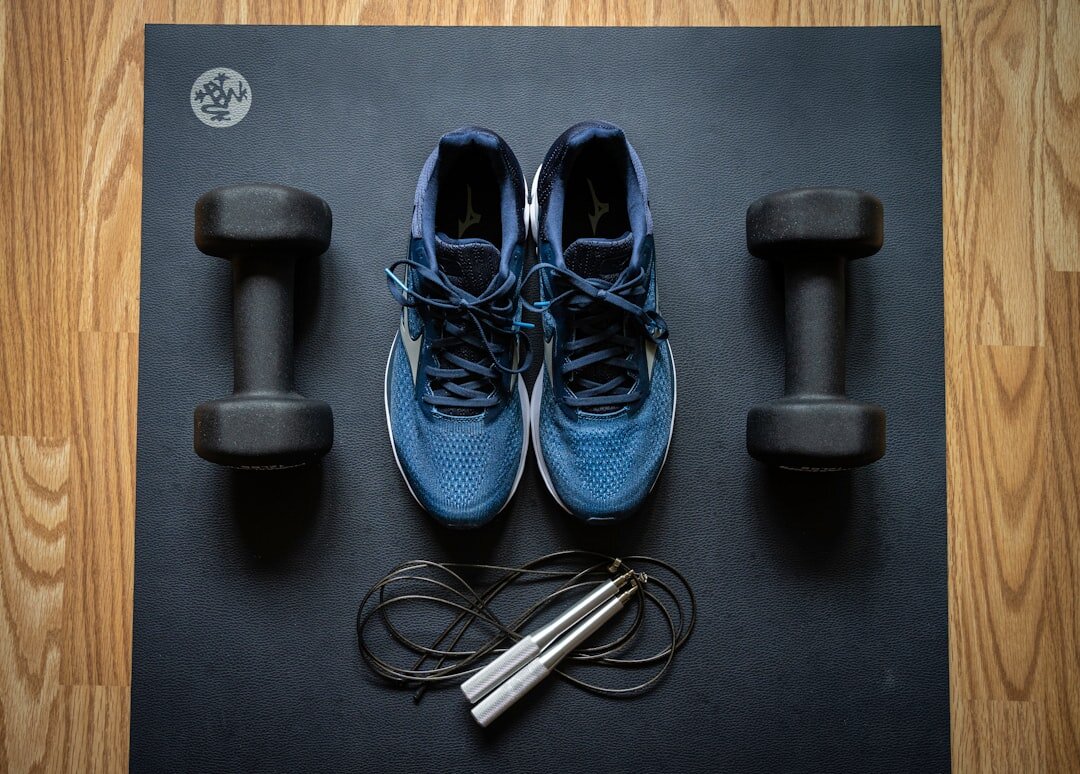 Photo by Alexandra Tran on Unsplash
Is online fitness coaching the right move for you?
Online coaching suits PTs who are comfortable communicating in writing and video, can motivate clients without being in the same room, and are willing to build systems rather than just show up and train.
It's not passive income — at least not to begin with. Expect three to six months before you're earning consistently from it. But if you're prepared to put in that groundwork, the upside is real: a sustainable client base that doesn't depend on a single gym, geographic freedom, and the ability to serve more people than your schedule could ever allow in person.
The skills that make a great in-person trainer — empathy, programming knowledge, holding people accountable — translate directly online. The main thing to add is clarity of communication, because you're doing more of it asynchronously.
Step 1: Choose your coaching model
Before you touch any tech, decide how you want to coach. There are four main models:
1:1 live online sessions
You train one client at a time over video, in real time. This is the closest to traditional PT — the client sees you, you see them, you can correct technique and provide in-the-moment motivation.
This is the highest-value offer you can make. Clients pay a premium for live attention, and they stick around longer because accountability is built into every session. If you're starting out, this is where to begin.
Group or cohort coaching
You train a small group — typically four to twelve people — in a live session or through a structured programme with live check-ins. It's more scalable than 1:1, and many clients enjoy the community aspect.
The catch is that group coaching requires more coordination and a clearer niche, because you need people at a similar level with similar goals.
Subscription or programme-based coaching
Clients pay a monthly fee for a training plan, usually delivered through an app, with check-ins over message or video call. It's scalable and works well once you have a proven system — but dropout rates are higher because there's no live accountability anchor.
Hybrid coaching
Many established coaches combine all three: a handful of 1:1 live clients at the top, a group programme in the middle, and a lower-cost subscription tier. It's a sensible model to grow into, but don't try to build it from scratch on day one.
The recommendation: start with 1:1 live sessions. You'll learn what your clients actually need, build testimonials quickly, and have a premium anchor offer before you try to scale.
Step 2: Pick a niche
The most common mistake new online coaches make is trying to help everyone. "Online personal training for anyone who wants to get fit" is not a niche — it's a description of the whole market.
Niching feels limiting but it's the fastest way to be found and trusted. A PT who specialises in strength training for women over 45 will convert far better than a generalist, because the right client immediately thinks: this is for me.
Your niche sits at the intersection of three things: what you're genuinely good at, what you've experienced yourself or with previous clients, and what people will pay for. Some examples:
- Runners who want to build strength without losing their running base
- Busy professionals who want 30-minute home workouts with zero equipment
- People in their 40s and 50s returning to exercise after a long break
- Beginners with gym anxiety who want a more private, supported start
You can always broaden later. Start specific.
Step 3: Sort your UK legal basics
This section sounds intimidating but it's mostly a one-off admin task. Here's what you need to have in place before you take your first paying online client.
Qualifications
You need a minimum of a Level 3 Personal Trainer qualification from a provider recognised by CIMSPA (the Chartered Institute for the Management of Sport and Physical Activity) src3. If you're already practising as a PT, you have this. CIMSPA also requires 10 CPD points per year to maintain your professional registration src4 — keep that up to date.
Insurance
Professional Indemnity and Public Liability insurance is essential, even for online sessions. If a client injures themselves following your programming, you need cover. Several providers offer policies specifically for online PTs — your existing insurer may already cover online delivery, so check before buying a separate policy.
Register as self-employed
If you're not already registered with HMRC as self-employed, do it before you earn anything src8. It's straightforward online and takes about 15 minutes. Whether you operate as a sole trader or set up a limited company depends on your circumstances — if you're not sure, an accountant can advise, but most PTs starting out choose sole trader for simplicity.
UK GDPR
Any time you collect client data — health questionnaires, contact details, payment information — you're subject to the UK GDPR and Data Protection Act 2018 src7. In practice, this means having a clear Privacy Policy, using secure platforms for storing client data, and not keeping information longer than you need it. If you're processing a significant amount of data, you may need to register with the ICO (Information Commissioner's Office) — it's a simple annual registration.
Step 4: Build your minimum viable setup
Most guides will tell you that you need a website, a mobile app, an email marketing platform, a CRM, a video tool, and a scheduling system before you can take a single client. You don't.
Here's what you actually need to start:
1. A way to run live sessions. Zoom works at a basic level, but a platform designed for live PT sessions gives you a more professional experience and makes it easier for clients to book, pay, and join without any friction. [internal link: platforms-for-online-personal-trainers]
2. A way to take payment. Stripe or GoCardless both handle recurring payments and one-off charges simply. If your coaching platform has built-in payment processing, use that.
3. A way for clients to book. Calendly (free tier) or built-in booking on your chosen platform. The goal is for clients to be able to see your availability and book without going back and forth over WhatsApp.
That's it. Get these three things working before you think about a website, email newsletter, or anything else. Once you have paying clients and testimonials, add complexity.
Step 5: Set your pricing
Price on value, not on what you think people will pay or what competitors charge.
Online coaching in the UK typically falls within these ranges src5:
- Standalone live sessions: £35–£80 per session (higher in London)
- Monthly packages (4 sessions): £120–£250
- Ongoing coaching subscriptions (plan + check-ins): £50–£200/month depending on level of access
When you're starting out, price to fill your calendar. That might mean setting rates at the lower end while you gather testimonials and learn what your clients need. Once you have three to five clients giving you strong feedback and results, raise your rates. Clients who've seen your value won't leave over a reasonable increase.
Packages create commitment and reduce churn. A client who's paid for a month upfront is more likely to show up for every session than one paying as they go. Once you're confident in your offer, push monthly packages as your default.
Step 6: Get your first clients Client
Every online coaching guide says "build your social media." And yes, eventually Instagram or Threads will bring you clients. But not in month one.
Here's what actually works first:
Start with your existing network. Tell everyone you know — former clients, gym contacts, friends — that you're taking online clients. Be specific: "I'm coaching busy professionals who want 30-minute home workouts, online. If you know anyone, I'd love an introduction." Most first online clients come from warm referrals, not cold follows.
Get two or three beta clients. Offer a short-term discounted arrangement in exchange for honest feedback and a testimonial. The goal isn't revenue yet — it's proof that your model works and something you can show future clients.
Use social media for credibility, not just discovery. A potential client who's heard about you from a friend will check your profile before booking. That's when your content matters. Short posts about your niche, real results, a behind-the-scenes video — these confirm you're legitimate.
Consider a platform with a marketplace. Some coaching platforms, including Gymbile, let you be discovered by people who are actively searching for a PT in your niche. This is particularly useful for new online coaches who haven't built an audience yet.
Ask every happy client for a referral. This is free and consistently works. After a client finishes a month or hits a goal, ask: "Do you know anyone who'd benefit from working with me?" Most people know at least one person who's been thinking about getting a trainer.
Why live sessions make the difference
A growing number of coaches now combine live check-ins with async delivery — and there's a reason the live element is the thing clients most value.
When you're in a real-time session together, accountability is automatic. The client can't ghost a video call they've already booked and paid for in the same way they can ignore a workout notification. You can correct form in the moment, adapt the session when something isn't working, and create a relationship that makes clients stay for months rather than weeks.
Live sessions also command a meaningful price premium over a PDF programme or a pre-recorded workout. Clients understand they're getting your attention, not just your system. That's worth paying for.
The quality of your live session experience matters too. A professional, low-friction platform — where clients can book, join, and pay without friction — signals that you're running a real business, not a side project.
Getting started
The path is simpler than most guides make it look:
- Model — start with 1:1 live sessions
- Niche — pick something specific
- Legal — qualifications, insurance, HMRC, UK GDPR
- Setup — platform, payment, booking (three tools max)
- Price — value-based; packages over pay-as-you-go
- Clients — warm network first, then social proof, then discovery
Don't wait until everything is perfect. The coaches who build successful online businesses are the ones who start before they feel ready and iterate based on what real clients tell them.
If you want to deliver live sessions online professionally — without a monthly software subscription eating into your margins — Gymbile is built for exactly that. Clients book and pay per session, you show up and coach. [internal link: platforms-for-online-personal-trainers]
-
↩
IBISWorld, Personal Trainers in the UK Industry Analysis, 2026. Market size: £853.7m.
-
↩
CIMSPA, Personal Trainer Practitioner — professional registration and qualification standards. cimspa.co.uk
-
↩
YOUR Academy / CIMSPA CPD requirements: 10 CPD points per year for registered fitness professionals.
-
↩
Simply Link, Personal Trainer Cost UK 2026: PT Price Calculator and Rates Guide. simply-link.co.uk
-
↩
Sprintlaw UK, Legal Essentials for Starting an Online Fitness Coaching Business in the UK. sprintlaw.co.uk
-
↩
HMRC, Set up as a sole trader. gov.uk
Share this article
In this article
⚡ For Trainers
Start taking live sessions — with zero monthly fees.
- ✓ Set your own rates
- ✓ Clients book & pay instantly
- ✓ £0 platform subscription
- ✓ 100+ countries
No credit card required to get started.
Become a Trainer →⚡ For Trainers
Start taking live sessions — with zero monthly fees.
- ✓ Set your own rates
- ✓ Clients book & pay instantly
- ✓ £0 platform subscription
- ✓ 100+ countries
No credit card required to get started.
Become a Trainer →Keep Reading
 Personal Story
You Can Wait Six Months for Physiotherapy. By Then, It Hurts Somewhere Else.
Waiting-list patients arrive months late, in pain somewhere new. A physiotherapist on what to do while you wait - and why your knee is rarely the real problem.

Workout Accountability: How Partners, Apps and Coaches Keep You on Track
Not sure whether a gym buddy, fitness app or accountability coach is right for you? Compare every option and find what finally makes your workouts stick.

What Is Online Personal Training — and How Does It Actually Work?
New to online PT? We explain what online fitness coaching is, how live sessions work, and whether it could suit your lifestyle. No jargon — just honest answers.
Comments
Be the first to join the conversation
Sign in to share your thoughts on this article.
Sign in to comment