We can't find the internet
Attempting to reconnect

You Can Wait Six Months for Physiotherapy. By Then, It Hurts Somewhere Else.
The Part of This Nobody Warns You About Is the Waiting
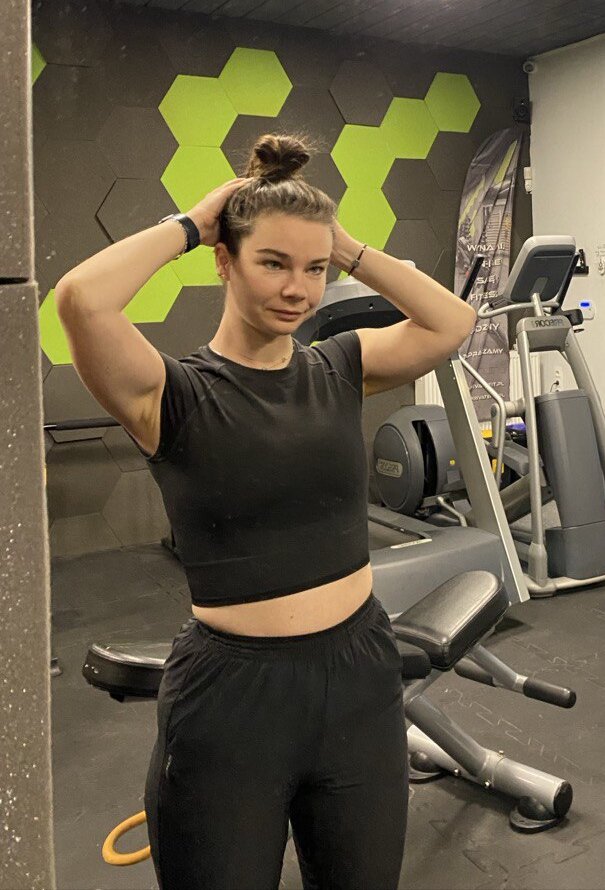
I'm a physiotherapist. I work in a clinic in Warsaw where most of my patients are over sixty — joint replacements, spinal conditions, people recovering from surgery of every kind. I also take personal training clients, which is not the usual combination.
My name is Olena Hilova. I grew up in Ukraine and qualified in Poland as a physiotherapist, a Magister of Physiotherapy from the Akademia Nauk Społecznych in Lublin. Seven years in practice, and I have spent most of them watching people arrive too late.
Here is the thing that made me want to work differently.
In the public system, a patient can wait six months for physiotherapy. Sometimes longer. I'm describing Poland, but if you're reading this in Britain you will recognise the wait. They go to a doctor with one problem, they join a queue, and half a year later they finally sit down in front of me.
And they say: that doesn't hurt any more. Now it hurts here.
That waiting period is the worst part of the whole process. Access to care isn't really the problem — you can see a doctor, you can see a physiotherapist, publicly or privately. The problem is time. Not everyone can afford to go private just to get diagnosed quickly, so they wait.
And while they wait, the body compensates. The original injury quietly hands the work over to somewhere else, and by the time anyone looks at it properly, you are treating the second problem instead of the first.
I can't fix a national waiting list. But I can make sure people don't spend those six months doing nothing.
Physiotherapy Is About Restoring Movement
Both my parents are engineers. Maths, physics, chemistry — none of it was mine. I don't have that kind of mind and I knew it early.
What I did have was sport. My father was a swimmer, so all of his children went into swimming, my brother included. I swam from childhood, and I travelled with the team to competitions in other cities.
At sixteen or seventeen, you don't really know what you're doing. I chose physiotherapy and for the first two years of the course I didn't fully understand what I'd chosen. I thought it was a branch of medicine. It took getting properly into it to see how wide it actually is — how many directions you can take it, and how it becomes more relevant to people, not less, as they age.
I feel like I'm in the right place. That took a while to be able to say. I left Ukraine still a teenager, and I stayed in Poland after I graduated. Today, 90 to 95 per cent of my patients and clients are Polish.
Physiotherapy is about restoring movement. Through movement itself, through manual therapy, through whatever tools the situation calls for. That's the whole discipline.
What I Actually See All Day
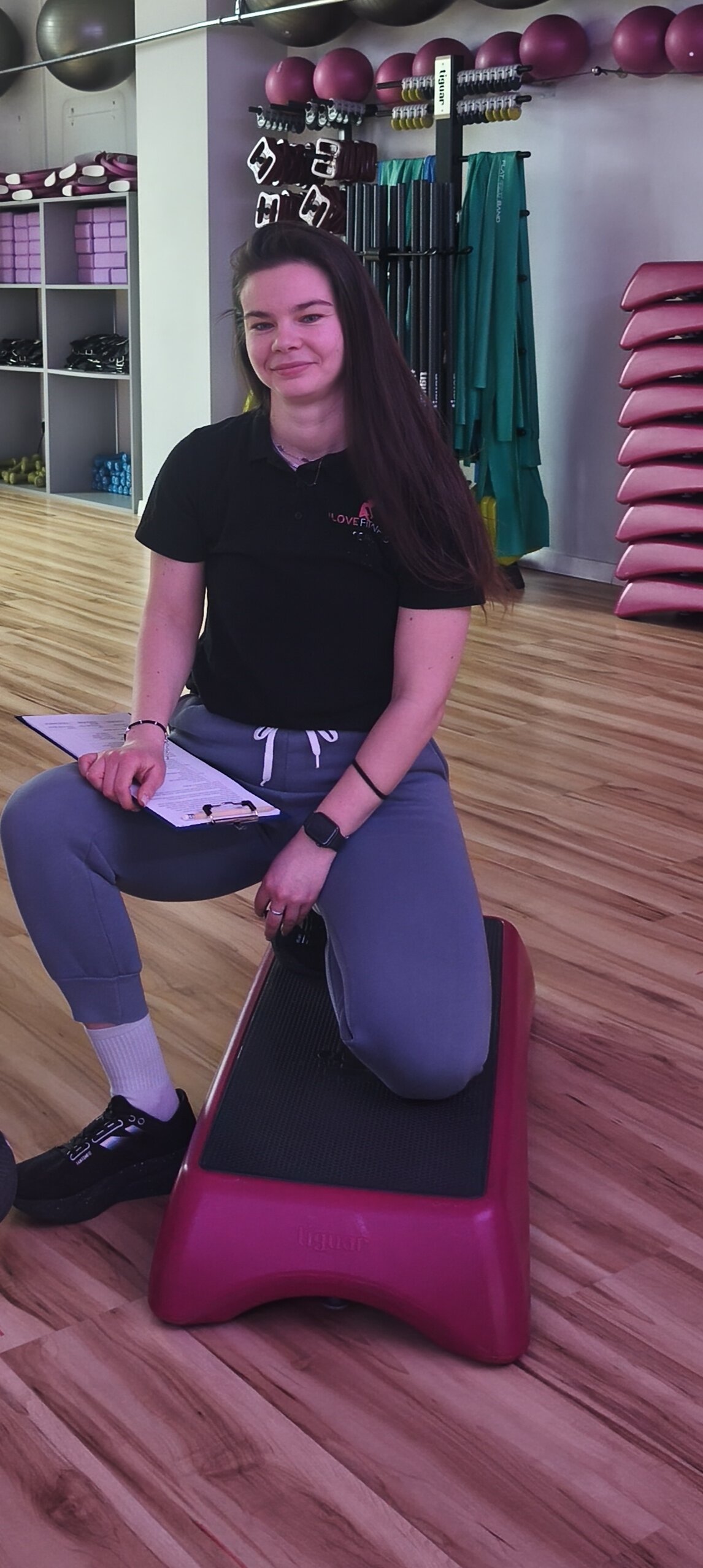
The clinic where I work specialises in older adults. Around 60 to 70 per cent of my patients are over sixty, and I treat people in their eighties and nineties who come once or twice a year for basic maintenance work — keeping what they have.
Most of the rest are post-surgical. Joint replacements especially, but operations of every kind, and a lot of spinal conditions. I have a handful of patients aged eighteen to twenty, usually with scoliosis, but we're not a children's clinic — children need a different approach and different therapies entirely.
In the twenty-to-sixty range, before age brings its own complications, it's almost always the same two things: people after surgery, or people with a spine that's stopped cooperating.
Why I Started Taking Personal Training Clients
I wanted to see the other side of the kitchen. I trained for it properly: a two-month trainer course in Poland and a three-month professional development course in Ukraine, and I have been working as a trainer for about three and a half years.
So many people get injured in the gym. Not dramatically — systematically. They repeat a movement slightly wrong, nobody points it out, and they do it a few hundred more times. A physiotherapist's job is usually to help someone climb back out of that. I wanted to understand the part where they fall in.
A physiotherapist helps you get out of the state you're in. I would rather stop you getting into it.
My personal training clients are all women at the moment, and they tend to come to me because I'm a physiotherapist — which means the cases are more complicated than average. Right now two are dealing with knee problems, two with their spines, and the rest are simply maintaining their fitness properly.
I start light — five, ten kilos, depending entirely on the exercise and on what the person walked in with — and I add load when I can see the body is ready for it. Not when the plan says so.
Train with Olena online — wherever you are. Olena offers a free first consultation on Gymbile. Just an assessment and an honest conversation about what your body is actually doing.
Your Knee Is Rarely Just Your Knee
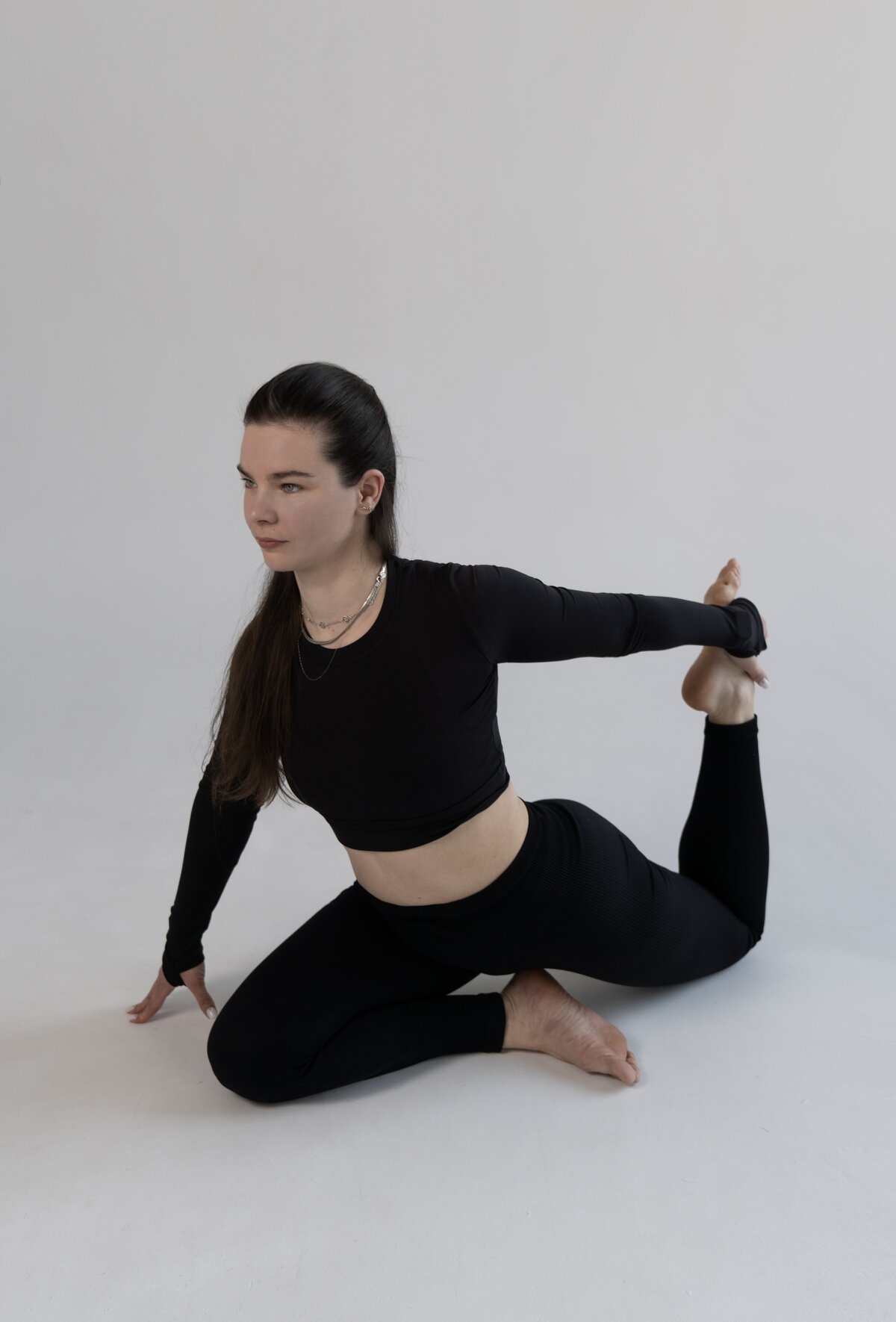
Let me tell you about a client I've been working with for the last month and a half. Once a week, in the gym.
She came to me about her knee. She'd had scans and screening, and nothing showed up. Nothing at all. She eventually saw a private therapist who found weakened muscles above the knee and traces of an old injury — something that had never disabled her, because she's an active person who stays in movement and gets on with her life.
Then I did a full assessment, and the knee turned out to be the least of it.
Her glutes were barely switching on. She had flat feet, with a deformity starting to form near her big toe. Her spine wasn't giving her much trouble yet — but only because she'd come in focused on the knee.
Nobody had ever looked at the whole chain. The knee was where she felt it. It wasn't where it started.
We began with isometric work, glute strength, whole-body strength, and a lot of attention on the foot. By the third or fourth session she told me the knee felt easier and more stable. That's the point where people start believing it's possible.
We're not finished. Now that we're progressing to squats and lunges she can still feel it, because the muscle hasn't had enough time yet. A month and a half is a month and a half. But we've moved on to her upper body and her spine, and I've given her exercises for home and for the middle of her working day, because she sits at a desk. She does a session on her own each week now, on top of ours. Two a week, effectively.
The best thing about it is watching what progress does to someone. The more she sees, the more she wants to work.
What I Do Before You Lift Anything
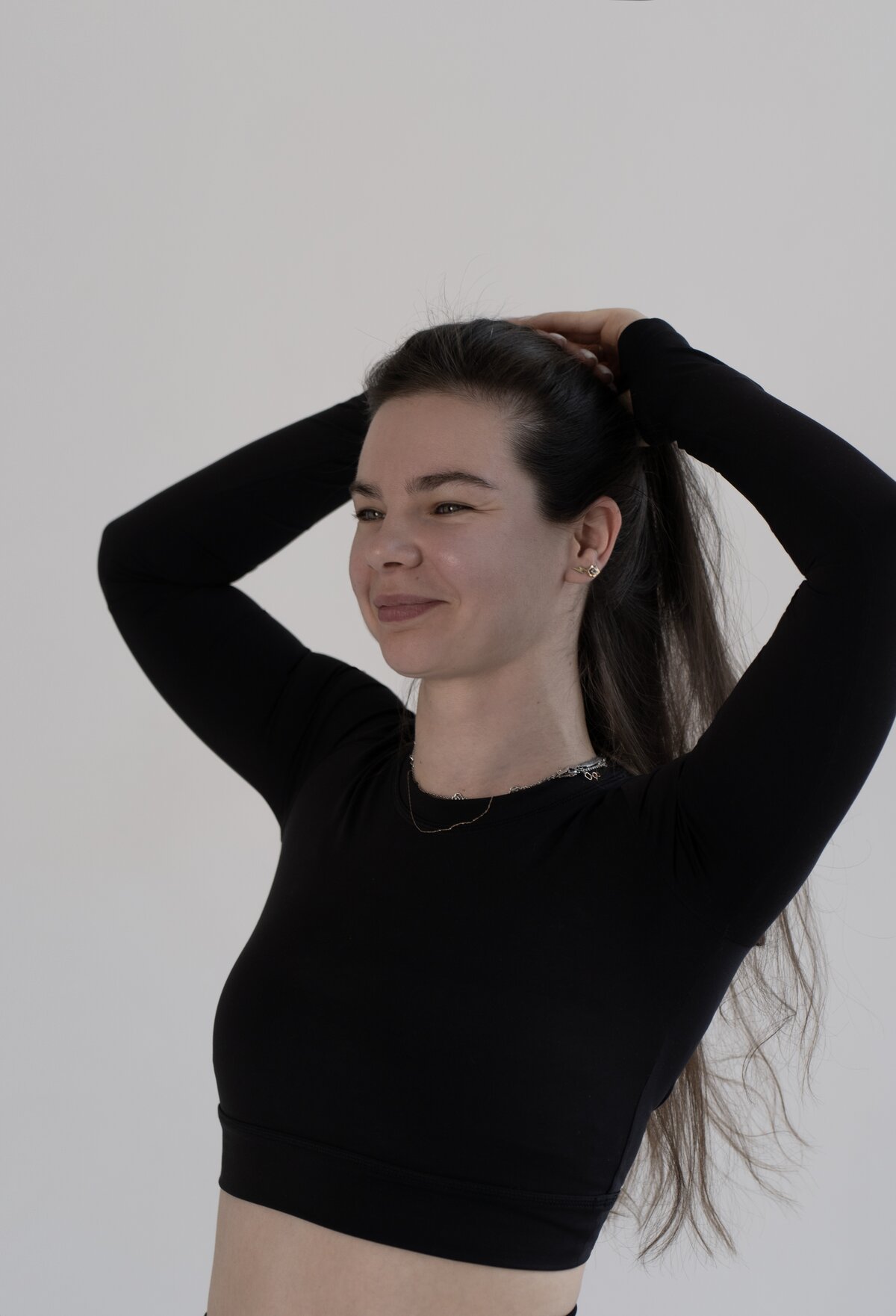
Every client starts with an anamnesis and an assessment, an actual look at what your body is doing.
I check where you're restricted and where your range of movement is limited. Hips, spine, the obvious suspects. In person I look at how you're built and how you stand. If we're working online, I ask you to send me a full-body photograph, relaxed, so I can see the same things.
And I take your health as seriously as your goal, which is where I differ from a lot of trainers.
If someone comes to me wanting to lose weight, and I help them lose weight while ignoring what their musculoskeletal system is doing — that's a strange thing to do, to me. The weight goes. The root of the problem stays, and it quietly builds the next problem for them.
Very often the client doesn't know what's wrong with them. Not because they're careless, but because nobody ever pointed it out.
Desk work is the clearest example. The spine starts curving the wrong way, shifting slightly to one side, and it's invisible until someone shows you. So I show people in the first or second session — this is what's happening, this is what we should work on now — rather than letting them get to session ten and only then discover they should have seen a doctor.
If a client already trains, I do something slightly different: I watch their technique first, then adapt everything to their goals and their limits. Biomechanics matters, but it has to be individual. Every body has its own restrictions, and every movement tells you where they are.
Why This Happens to So Many People
There isn't one cause. It's genuinely individual.
Some of it is genetic. And what happens with families is that if nobody ever flagged a particular problem, a child grows up with it, develops with it, and never questions it — because as far as they know, that's just how a body looks. There was never anyone to say: actually, that's a deformity, and we can do something about it.
Feet are the classic case. Foot problems usually trace back to childhood and to badly chosen shoes. Not neglect — parents didn't always notice, and there was nobody to point it out.
The rest is how we live now. Work has moved online and moved to a chair. Activity has dropped. When I do consultations, what I see over and over is that people don't even have a reason to go outside. Someone with a dog walks the dog, gets their five thousand steps, and has done something. Someone at a computer all day has done nothing — and never had the moment where they noticed.
Phones, computers, chairs. It sounds obvious. It's still the single biggest thing making my job necessary.
I Don't Disappear When the Programme Ends
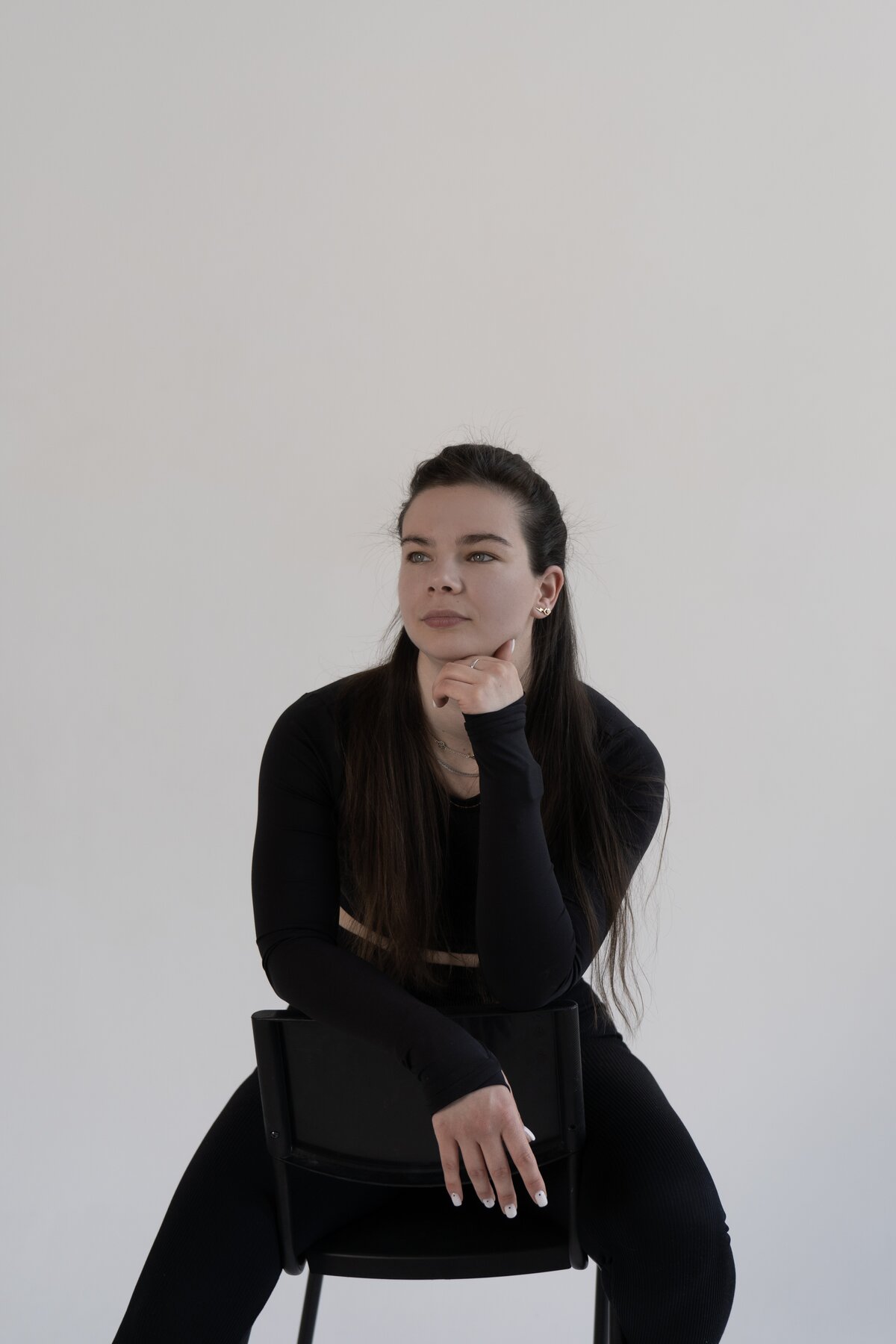
When I finish working with someone, I stay reachable. That's not a courtesy line — it's part of what I offer.
Some people only want the diagnostic and a written plan, and that's fine. I write it. But I tell them clearly: if something starts hurting while you're doing this, or an exercise feels wrong, come back to me. I'll change it or replace it entirely.
I don't leave a client alone with a piece of paper.
And this is where the waiting list comes back into it. If a client tells me something started hurting yesterday, I can often assess part of it myself. What I can always do is tell them what to ask for — that they need an ultrasound, or an MRI, or just standard bloods — so that they walk into the doctor's office knowing what they're requesting instead of waiting for someone to tell them.
You go in, you ask for the referral, you get a date, and you work from there. That is months faster than joining the public queue and waiting for a doctor to tell you what you already could have known.
What Actually Happens When We Work Online
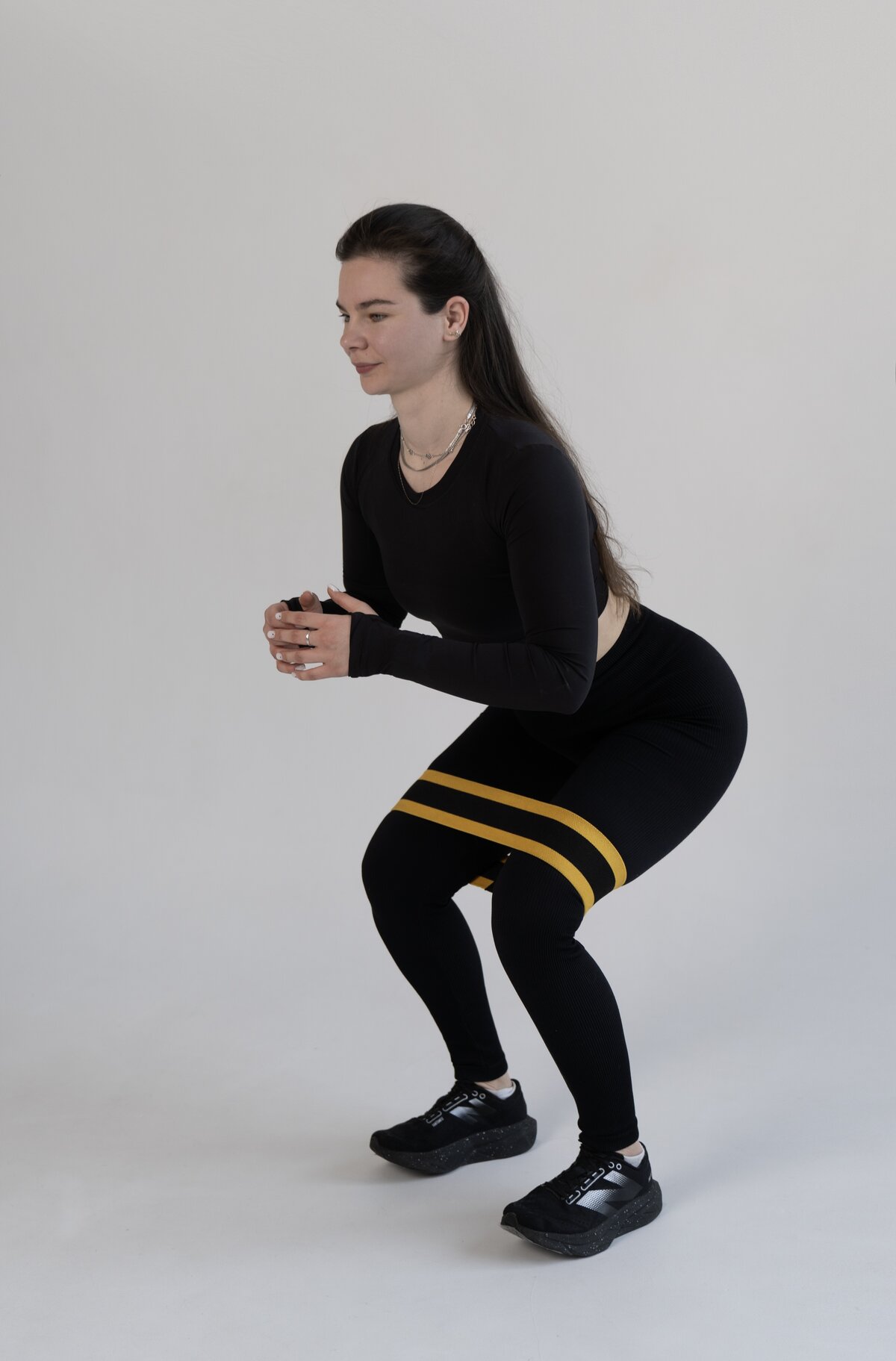
The question I get most is the obvious one: how can you assess me if you can't put your hands on me?
Here is what I actually do.
First I take your history properly, your health and not just your goal. Then I ask you for a full-body photograph, relaxed, standing the way you normally stand. That one photo tells me a great deal: how you're built, how you hold yourself, where you're being pulled out of line. In person I would be looking at exactly the same things.
Then I watch you move. On a live call I can see your hips and your spine, where your range of movement runs out, and what the rest of your body does to get around it. If you already train, I watch your technique before I change anything.
Most of what I need to see is visible on a screen. What I can't do is put my hands on you, so I don't pretend otherwise.
When something needs looking at properly, I tell you exactly what to ask for: an ultrasound, an MRI, or just standard bloods. You walk into the doctor's office knowing what you're requesting, instead of waiting half a year for someone to tell you.
And the work carries on between sessions. You get exercises for home and exercises for the middle of your working day, because most of the people I see sit at a desk. If something starts hurting, or an exercise feels wrong, you come back to me and I change it or replace it entirely. I don't leave a client alone with a piece of paper.
You don't need much at home. A mat, light dumbbells, a mini band and a small ball, and even those are not essential.
We can work in Ukrainian, Polish or English, whichever you are most comfortable explaining your body in.
Why I moved online
I'll be honest about my side of it too. Until now my income has depended on my being in one building. If I go away for two weeks, everything stops, and I come back and work out how to cover the next month. There's the commute as well, 30 to 40 minutes each way for me, closer to an hour twice a day in a bigger city. That's three or four hours I could put into studying, into developing what I do, or honestly just into resting.
But the real reason is simpler. Working online means I am no longer limited to the people who can reach one address in Warsaw.
Who I Work Best With
Three kinds of people.
People at the very start. You've decided to do something, you've got as far as the gym, and you have no idea what to do once you're in there. This is more common than anyone admits. Some people have been doing something on their own for a while and still aren't confident it's right.
People with musculoskeletal problems. Anything to do with joints, spine, or the way you move. Often people who've been told to "just exercise" with no explanation of how, or people whose doctor has made it clear that the alternative is surgery.
People after surgery or injury who are afraid to start. Either you're frightened of doing damage, or you want to get back to a sport and don't know how, because you know perfectly well you can't pick up where you left off. That fear is reasonable. It's also solvable.
What I don't do is pure bulking. My work is about correcting pain, holding good form, and coming back to sport consciously rather than hopefully.
What a First Session Looks Like
You book a time and we get on a video call. I take your history — properly, including your health and not just your goal. I ask you to send a full-body photo, relaxed, and I look at how you're built and where you're restricted. Then I tell you what I'm seeing, including the things nobody has mentioned to you before.
From there we build something that fits the body you actually have.
The first consultation is free. There's no obligation attached to it — it's a diagnostic and a conversation about whether working together makes sense.
After that, a session runs for an hour and costs 40 dollars, roughly 150 złoty. And I check in with you between sessions, because I want to know how your body has actually responded before we meet again, not after something has already started hurting.
If You Think You're Too Complicated to Train
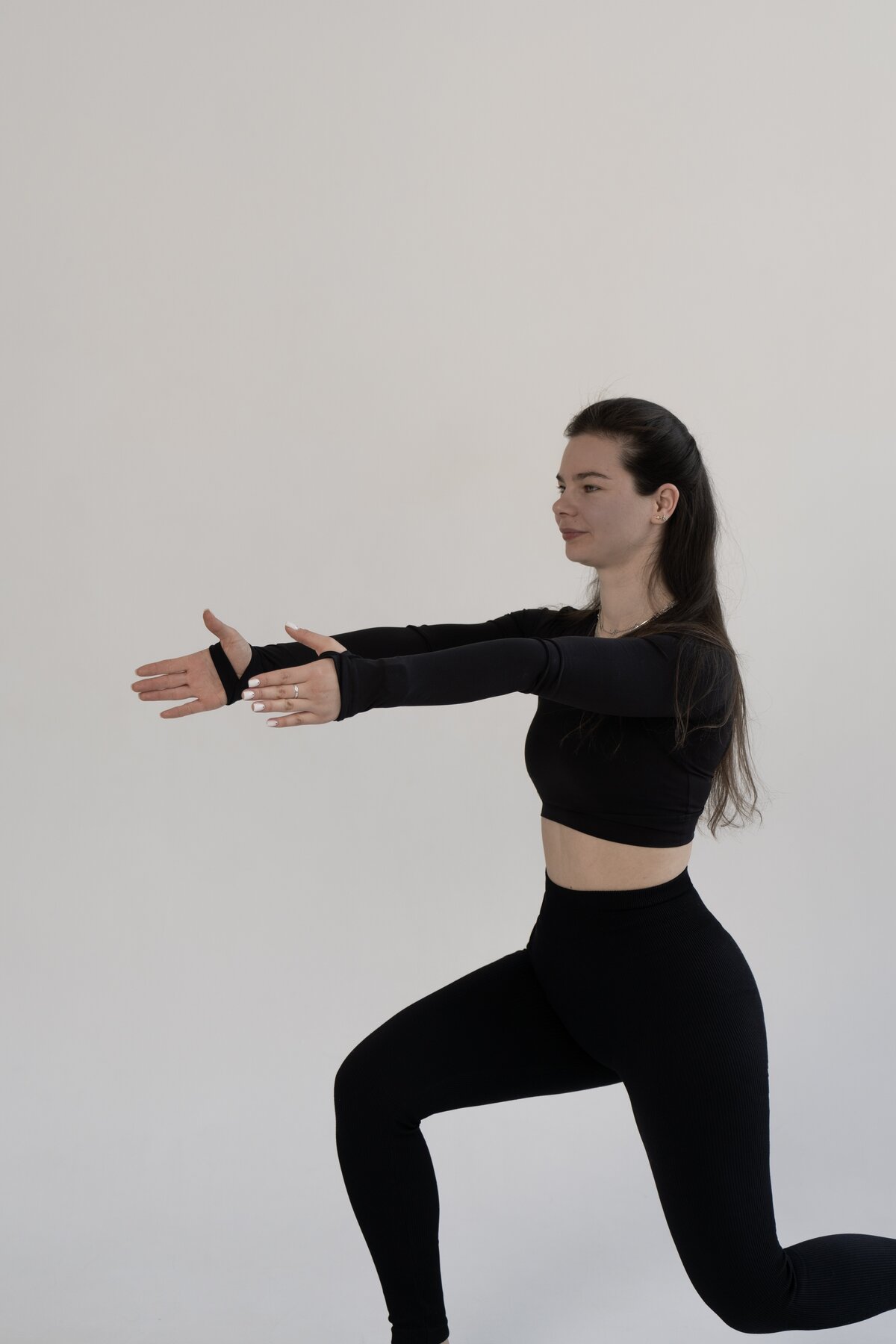
I want to say something to the people who've decided their situation disqualifies them.
You've had the surgery. You've got the pain that moves around. You've been on a list for six months. You've been told to exercise by someone who didn't say how, or told not to by someone who didn't say for how long. And now the gym feels like somewhere for other people.
There is nothing frightening here. You just need to know where to start.
The more complicated your situation, the more you need someone who can read it — not less. Complexity isn't a reason to stay out. It's the reason to have someone qualified looking.
Every month you wait, the compensation gets more established and the starting point gets further away. That's not motivational language, it's just what happens in the body.
We don't only train to be maximally strong. We train because there's a reason we want a working body in the first place. Once someone understands that about themselves, everything else in my job becomes easy.

I'm a physiotherapist and personal trainer in Warsaw — 7 years in clinical practice, 3+ coaching. I work with people whose bodies have stopped cooperating: after surgery, after an injury, or after years at a desk, and with people who want to start training but don't know where to begin. I assess before I add load — where your range of movement runs out, where you're compensating, and what nobody has pointed out to you yet. Sessions in Ukrainian, Polish or English.
Share this article
In this article
⚡ For Trainers
Start taking live sessions — with zero monthly fees.
- ✓ Set your own rates
- ✓ Clients book & pay instantly
- ✓ £0 platform subscription
- ✓ 100+ countries
No credit card required to get started.
Become a Trainer →⚡ For Trainers
Start taking live sessions — with zero monthly fees.
- ✓ Set your own rates
- ✓ Clients book & pay instantly
- ✓ £0 platform subscription
- ✓ 100+ countries
No credit card required to get started.
Become a Trainer →Keep Reading
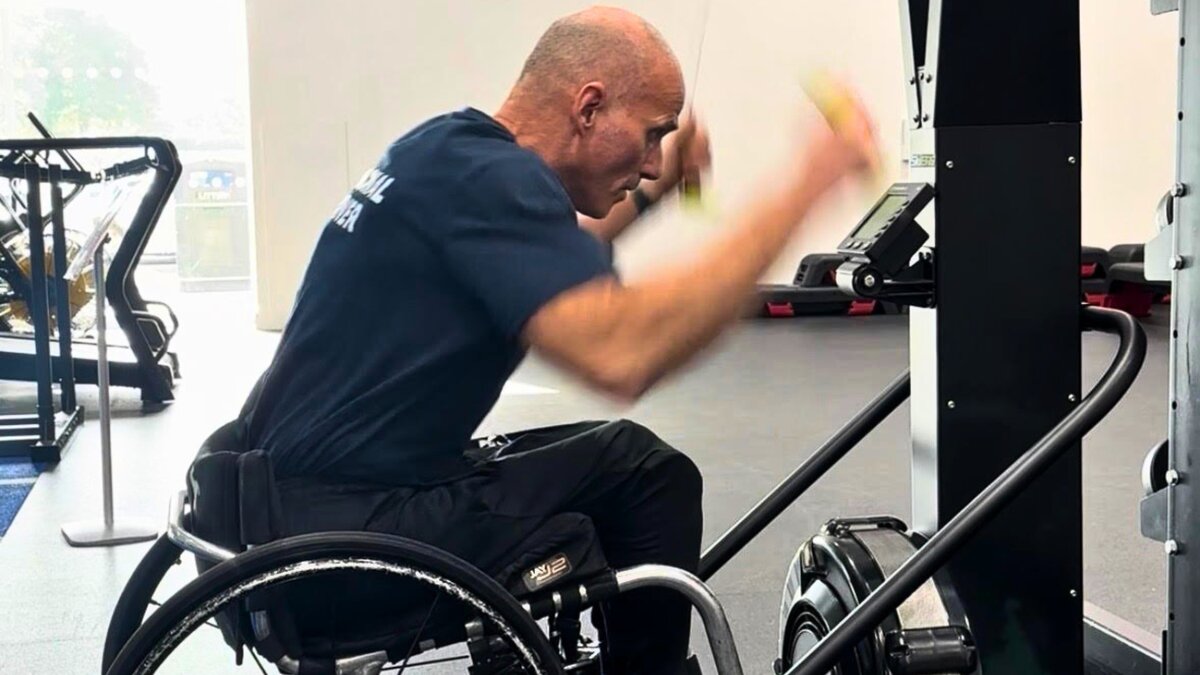 Personal Story
I Broke My Back at 19. Then I Became a Personal Trainer for 27 Years. Here's What I Wish I'd Done Sooner.
Personal trainer for 27 years — from a wheelchair. Matt Anderson's story, and what he'd tell anyone who thinks their situation is too complicated to train.

Workout Accountability: How Partners, Apps and Coaches Keep You on Track
Not sure whether a gym buddy, fitness app or accountability coach is right for you? Compare every option and find what finally makes your workouts stick.

What Is Online Personal Training — and How Does It Actually Work?
New to online PT? We explain what online fitness coaching is, how live sessions work, and whether it could suit your lifestyle. No jargon — just honest answers.
Comments
Be the first to join the conversation
Sign in to share your thoughts on this article.
Sign in to comment